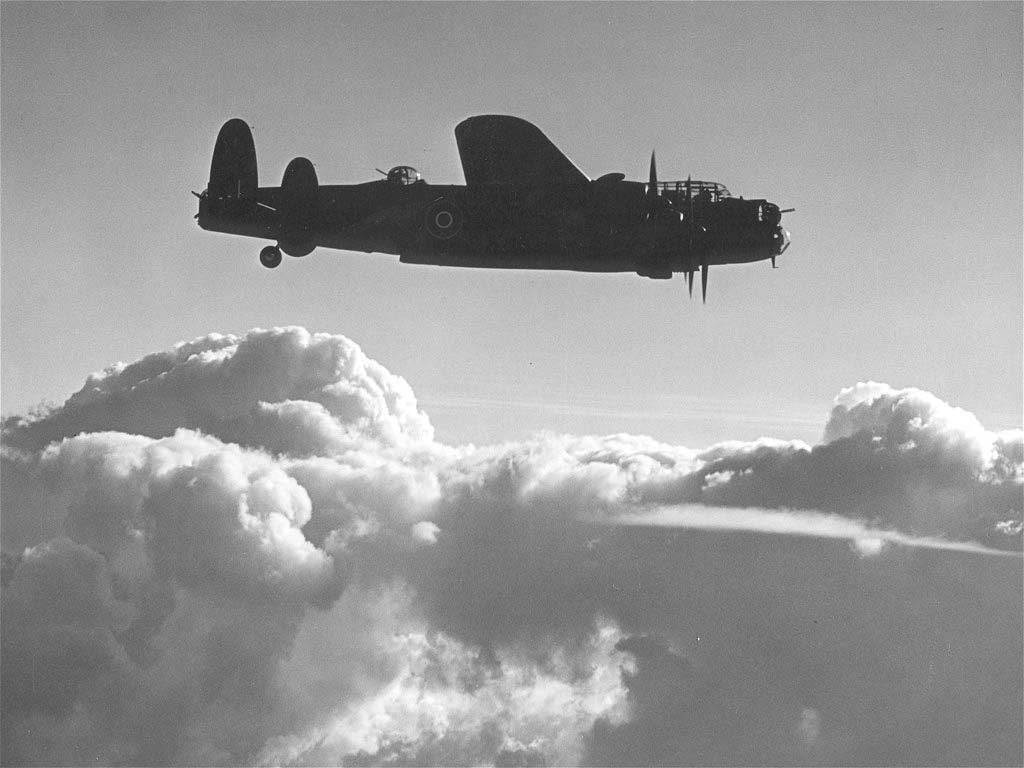
He flew with a Avro Lancaster (type I, serial NF961, code LE-L).
STRATEGIC OPERATIONS
(Eighth Air Force): Mission 682: 567 bombers and 604 fighters are dispatched to hit targets in Germany; 5 bombers and 5 fighters are lost:
1. 337 B-17s are dispatched to make a PFF attack on Kassel/Mittefeld (300); targets of opportunity are Cologne (1) and other (2); 2 B-17s are lost; 1 airman is WIA and 18 MIA.
Escort is provided by 388 P-47s and P-51s; 4 P-51s are lost.
2. 118 B-17s are dispatched to make a GH attack on the Ford Plant at Cologne (79); 30 others hit Cologne/Nippes marshalling yard; 22 B-17s are damaged; 1 airman is KIA and 2 WIA.
Escort is provided by 38 of 45 P-47s without loss.
3. 112 B-24s are dispatched to make a GH attack on the industrial complex at Leverkusen (39); 30 others hit the Cologne/Nippes marshalling yard; 3 B-24s are lost and 26 damaged; 27 airmen are MIA.
Escort is provided by 139 of 146 P-51s; 1 P-51 is lost.
TACTICAL OPERATIONS
(Ninth Air Force): Weather prevents operations of all commands (including the 9th Bombardment Division) except IX Tactical Air Command fighters which fly sweeps, rail cutting missions, and night patrols, and provide air cover for the US 1st Infantry Division in the Aachen, Germany area.
12 Mosquitos of No 100 Group flew anti-flying-bomb patrols. (The Germans were releasing flying bombs from aircraft over the North Sea.) No interceptions made.
Bonn. This was the first major operation by No 3 Group in the new independent role which its commander, Air Vice-Marshal R Harrison, had been granted. Approximately one third of the group's Lancasters were now fitted with the G-H blind-bombing device and No 3 Group were to operate on days when the ground was concealed by cloud but when the cloud tops did not exceed 18,000ft. Aircraft with G-H had their tail fins painted with a prominent design; aircraft without G-H found a G-H 'leader' to follow into the target area and bombed when that aircraft bombed. G-H was a relatively accurate, easy-to-operate and very useful device and No 3 Group were to make good use of it in the remaining months of the war. The device had been used before, but not by a large force. Air Vice-Marshal Harrison requested that the almost unbombed and unimportant town of Bonn should be the target for this first operation, possibly so that post raid reconnaissance photographs could show the results of the first G-H raid without the effects of other bombing confusing the interpretation of the photographs. 128 Lancasters were dispatched; the raid appeared to go well and only 1 aircraft was lost. The attack was a complete success. The heart of old Bonn was destroyed, with its university, many cultural and public buildings and a large residential area being burnt out. The local report says that the home in which Beethoven lived was saved 'by the courageous actions of its caretakers'. 700 buildings were destroyed and 1,000 were seriously damaged.
4 RCM sorties, 1 Hudson on a Resistance operation. No losses.
19 Mosquitos to Hannover, 18 to Mannheim, 8 to Düsseldorf, 5 to Pforzheim and 4 to Wiesbaden. 1 aircraft lost from the Pforzheim raid.
This record can also be found on the maps of WW2 History Europe with Google coordinates. You can find the maps by clicking on this link on this location.
There are several possibilities to investigate the flight records on WW2 History Europe. All the flights are plotted on maps, sorted "day by day", "by squadron", "by type aircraft", "by year or month", "by location" and much more! Don't miss this!!!
If you have any information that you want to share, please add your comment at the bottom of this record. Or send your information to [email protected]. This information will be added to the record.
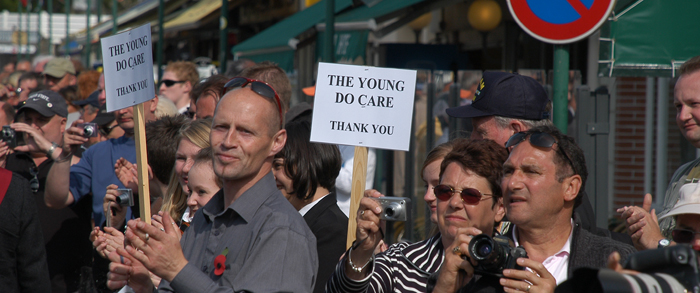
Your photos and your information are very welcome! The young do care and with your help we keep up the good work.