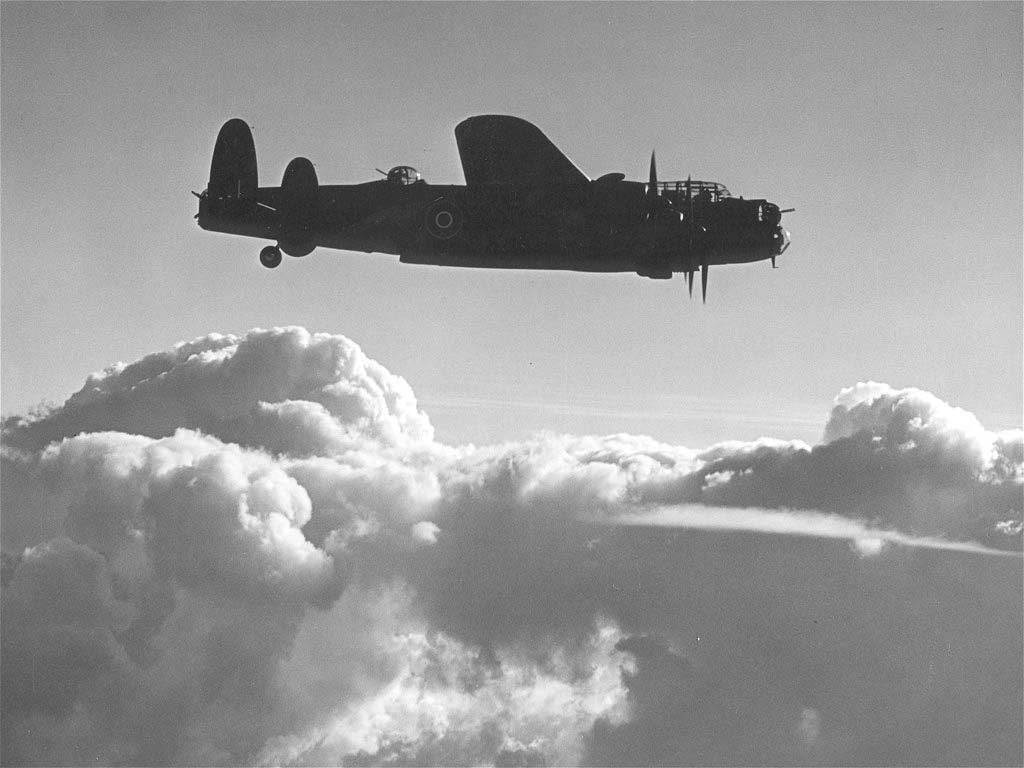
He flew with a Avro Lancaster (type III, serial JA694, code GT-).
Berlin attacked by 764 aircraft - 469 Lancasters, 234 Halifaxes, 50 Stirlings, 11 Mosquitos. This was the greatest force sent to Berlin so far but it was also the last raid in which Stirlings were sent to Germany. Bad weather again kept most of the German fighters on the ground and the bomber force was able to take a relatively 'straight in, straight out' route to the target without suffering undue loss. 26 aircraft - 11 Lancasters, 10 Halifaxes, 5 Stirlings - were lost, 3.4 per cent of the force. Berlin was again completely cloud-covered and returning crews could only estimate that the marking and bombing were believed to be accurate, In fact, this was the most effective raid on Berlin of the war. A vast area of destruction stretched from the central districts westwards across the mainly residential areas of Tiergarten and Charlottenburg to the separate suburb city of Spandau. Because of the dry weather conditions, several 'firestorm' areas were reported and a German plane next day measured the height of the smoke cloud as 6,000 metres (nearly 19,000 ft).
It was estimated that 175,000 people were bombed out. Interesting entries among the lists of buildings destroyed or severely damaged are: the Kaiser-Wilhelm-Gedächtniskirche (the Kaiser Wilhelm Memorial Church which is now, half ruined, half restored, a major attraction in West Berlin), the Charlottenburg Castle, the Berlin Zoo, much of the Unter den Linden, the British, French, Italian and Japanese embassies, the Ministry of Weapons and Munitions, the Waffen SS Administrative College, the barracks of the Imperial Guard at Spandau and, among many industrial premises, 5 factories of the Siemens electrical group and the Alkett tank works which had recently moved from the Ruhr.
12 Mosquitos to Leverkusen, 14 Wellingtons minelaying in the Frisians and off Texel, 12 OTU sorties.
383 aircraft - 365 Lancasters, 10 Halifaxes, 8 Mosquitos - to continue the attack on Berlin. The bombing force used the same direct route as had been employed on the previous night. The German controllers made an early identification of Berlin as the probable target; their single-engined fighters were gathered over the city before the arrival of the bombers and other fighters arrived a few minutes later. Fake instructions broadcast from England caused much annoyance to the German who was giving the 'running commentary'; the Germans started using a female commentator but this was promptly countered by a female voice from England ordering the German pilots to land because of fog at their bases. 'Spoof' fighter flares dropped by Mosquitos north of the bomber stream also caused some diversion of German effort. Bomber crews noticed that flak over the target was unusually restrained, with the German fighters obviously being given priority. 20 aircraft - all Lancasters - were lost, 5.2 per cent of the bomber force. The target was again cloud-covered and the Pathfinders carried out skymarking, but many of the Main Force crews aimed their bombs through the cloud at the glow of 11 major fires still burning from the previous night. Much further destruction was caused in Berlin.
6 Oboe Mosquitos attacked the Knapsack power-station near Cologne without loss.
This record can also be found on the maps of WW2 History Europe with Google coordinates. You can find the maps by clicking on this link on this location.
There are several possibilities to investigate the flight records on WW2 History Europe. All the flights are plotted on maps, sorted "day by day", "by squadron", "by type aircraft", "by year or month", "by location" and much more! Don't miss this!!!
If you have any information that you want to share, please add your comment at the bottom of this record. Or send your information to [email protected]. This information will be added to the record.
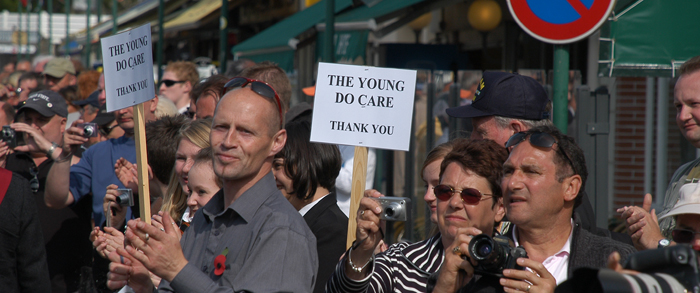
Your photos and your information are very welcome! The young do care and with your help we keep up the good work.