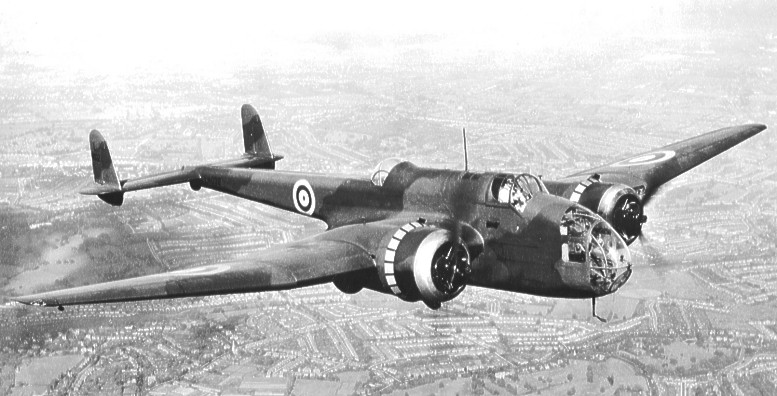
He flew with a Handley Page Hampden (type I, serial AT134, code PT-K).
Mannheim
49 aircraft. No losses.
Le Havre
25 Wellingtons and 6 Whitleys. 1 Wellington lost.
Minor Operations: 18 Wellingtons to Brest, 1 Manchester minelaying in the Frisians, 5 aircraft on leaflet flights to France. 1 Wellington lost from the Brest raid.
The Channel Dash
The German battle-cruisers Scharnhorst and Gneisenau and the lighter cruiser Prinz Eugen sailed from Brest to Germany through the English Channel in a carefully prepared and well-executed operation. News of the preparations did not reach Britain and the Germans chose a day when bad weather and low cloud gave their ships maximum concealment. A German fighter escort was provided throughout the voyage. The ships were not reported until late morning when a Spitfire of Fighter Command spotted them off Le Touquet. All available Royal Navy and R.A.F. units were ordered to attack the German ships before darkness closed in.
Most of Bomber Command was 'stood down' for the day; only 5 Group was at 4 hours' notice. The bomber squadrons made a frantic effort to prepare planes for attacks, which were mounted in 3 waves. Other aircraft of Coastal and Fighter Commands and of the Fleet Air Arm were also involved. The first Bomber Command aircraft were airborne at 1.30 p.m. and 242 sorties were flown by the squadrons before dark. Every type of aircraft available flew except the Whitleys which were stationed in the North of England. Bomber Command aircraft dispatched were: 92 Wellingtons, 64 Hampdens, 37 Blenheims, 15 Manchesters, 13 Halifaxes, 11 Stirlings and 10 of the new American-built Boston bombers with which some of the 2 Group squadrons were being equipped, although they were not yet officially ready for operations. It was the largest Bomber Command daylight operation of the war to date. Most of the bombers were unable to find the German ships in the poor weather conditions and, of those aircraft which did bomb, no hits were scored on these fast-moving and heavily defended targets. None of the attacks by other forces caused and serious damage to the German ships but the two largest, the Scharnhorst and the Gneisenau, were both slowed down after striking mines laid by 5 Group Hampdens or Manchesters in the Frisian Islands during recent nights. Scharnhorst hit 2 mines and Gneisenau one. All the German ships reached the safety of ports in Germany before daybreak.
The sailing of these ships, although a successful operation for the Germans, finally released Bomber Command from the effort-consuming and costly requirement to bomb the ships while they had been in French ports. Bomber Command had dropped 3,413 tons of bombs on these 3 ships in recent months and lost 127 aircraft in doing so. But these raids had achieved some success. Both Scharnhorst and Gneisenau had been hit and badly damaged by bombs; this and the constant threat of further damage prevented the ships from sailing from Brest on another Atlantic shipping raid and persuaded the Germans that they should be brought back to the greater protection of German ports.
This record can also be found on the maps of WW2 History Europe with Google coordinates. You can find the maps by clicking on this link on this location.
There are several possibilities to investigate the flight records on WW2 History Europe. All the flights are plotted on maps, sorted "day by day", "by squadron", "by type aircraft", "by year or month", "by location" and much more! Don't miss this!!!
If you have any information that you want to share, please add your comment at the bottom of this record. Or send your information to [email protected]. This information will be added to the record.
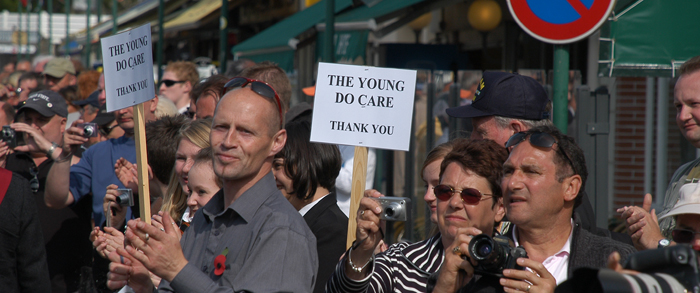
Your photos and your information are very welcome! The young do care and with your help we keep up the good work.